Attending ACRL 2017 with NMRT Board Members Part II

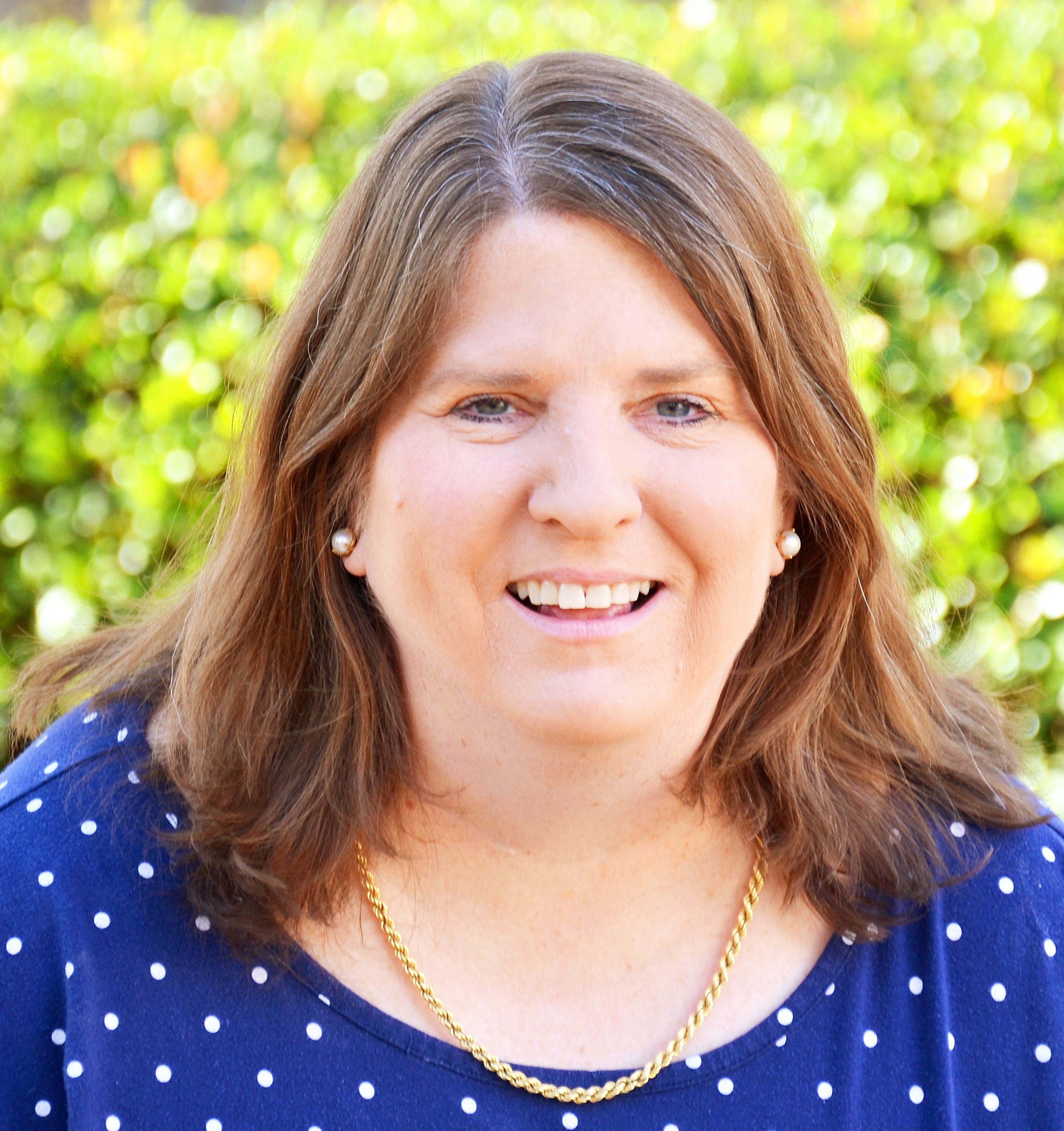
The Association of College & Research Libraries offers many learning opportunities for current and aspiring academic and research librarians, with their main conference being held every other year. If you are curious about the ACRL Conference or are thinking about attending in the future this post will give an insider’s view to attending. NMRT Board members Ariana Santiago and Mandi Goodsett share their experiences from ACRL 2017 and tips for attending future ACRL conferences.

Mandi Goodsett, Vice-President/President-Elect

In March I had the opportunity to attend ACRL in Baltimore, where I discovered lots of great ideas and made valuable professional connections. I thought it might be helpful to share some of my impressions, as well as lessons learned from the experience, in case any of you are thinking of attending ACRL 2019 in my current city, Cleveland (which really does rock!!).

This was my third ACRL conference, and I learn more about how to get the most out of them every time I attend. There were so many things that I found valuable about my experience at ACRL this year, but my top three fall into the following categories:

  •     Session Take-aways: Most presenters at ACRL make an effort to give attendees some concrete take-aways that they can apply at their own institutions, and I found tons of awesome, small-scale ideas that I could use right away when I returned.
  •     Opportunities for Connections: You never know when you’ll make a professional connection at ACRL. I heard an interesting speaker at a session one morning, and then, later that day at a vendor-sponsored lunch I realized that I was sitting next to her! I barraged her with questions and made a great connection, all because I took advantage of a serendipitous moment and an opportunity to connect.
  •     Keynote Speakers: This year’s keynotes were all wonderful! David McCandless wowed us with his beautiful visualizations, Roxane Gay made us laugh with her sassy advocacy, and Carla Hayden made me proud to be a librarian. I learned from these speakers, but, even more importantly, I was inspired by them to rethink my approach toward being a librarian.

ACRL is a pretty big conference (although not quite the size of ALA Annual), but it also focuses on academic librarianship, which means that many of the sessions will be relevant to you if you’re an academic librarian (or hope to be one someday). It also means that the conference can be pretty overwhelming! While I’m still learning how to navigate conferences like a pro, here are a few tips for you if you plan to attend ACRL or a similar conference soon:

  •     Give yourself options, and be flexible: I always go into a conference ready to do ALL THE THINGS. Sadly, there are so many good sessions overlapping, and it’s impossible to get to them all. That doesn’t stop me from planning for several sessions during each time slot, though. Maybe one session is ridiculously far away, and I choose not to make the trek. Maybe a session is a presented paper that I can read later. Maybe my colleague is attending a session and can give me a recap over dinner. When these situations happen, I’m happy to have some back-up sessions on my list so I can make the most of every second of my conference experience.
  •     Go in with a plan: I totally learned my lesson the hard way with this one. When you first enter the exhibit hall at ACRL, it can be overwhelming. There are bright signs, robots saying hello, people offering free food, giveaways of really awesome cat-themed swag… Unfortunately, this means that it’s very easy to get distracted and lose track of time in the exhibits. You’ll find your experience in the exhibit hall much more valuable if you go in with a plan. What products or services is your library thinking of purchasing? Are there any vendors you’d like to check-in with to learn about new products, or to make suggestions? Give this some thought before you arrive and you’ll make the most out of your exhibits experience. (Although stopping for a free soft pretzel doesn’t hurt… 🙂  )
  •     Pace yourself: In my frenzy to do all the things, it’s easy to push myself to exhaustion. This is not a good idea! Plan for breaks in your schedule, time to eat meals (hopefully with some cool colleagues), and, if you fail to do that, cancel your crazy plans to be in two places at once and take a timeout when necessary. Your feet and your brain will thank you.

I highly recommend attending ACRL, especially for those who are looking to get involved with academic librarianship. However, if this seems like too much for you, keep in mind that there are plenty of local conferences for academic librarians, or about specific themes like instruction or assessment. Getting your feet wet at a smaller-scale conference might prepare you to really take advantage of all that ACRL has to offer. As an adopted Clevelander, you can bet that I’ll be at ACRL 2019, and I would love to meet up with you and give you some Cleveland tips if you’re new to conference-ing!

Posted in NMRT | Tagged , , , , , , | Leave a comment

Attending ACRL 2017 with NMRT Board Members Part I

The Association of College & Research Libraries offers many learning opportunities for current and aspiring academic and research librarians, with their main conference being held every other year. If you are curious about the ACRL Conference or are thinking about attending in the future this post will give an insider’s view to attending. NMRT Board members Ariana Santiago and Mandi Goodsett share their experiences from ACRL 2017 and tips for attending future ACRL conferences.

Ariana Santiago, NMRT Outreach Director

I was fortunate to attend the ACRL 2017 Conference March 22-25 in Baltimore, MD. This was my second ACRL conference, and so far I have always found it to be an exciting and rewarding conference experience. Personally, I find incredible value in the opportunities to network and make connections with others in the profession. Time spent talking with people and sharing ideas truly makes the experience worth it. I hope that sharing some of my conference highlights is helpful for anyone considering going to ACRL in the future.

My ACRL 2017 Conference began at the #Critlib Unconference. Unconferences are a bit more informal than your typical conference – there is no predetermined program, and attendees collaboratively decide on session topics at the beginning of the event. For those unfamiliar with #critlib, it is short for critical librarianship, and is “a movement of library workers dedicated to bringing social justice principles into our work in libraries.” At the #Critlib Unconference, I attended sessions on communications and marketing, class struggles in LIS, building #critlib in your library, and creating a space for people of color. The full program and session notes are available on the unconference website.

I recommend going to an unconference if you ever have the chance. I’ve found that the smaller event and less formal structure allow for richer conversations during each session. Also, the #Critlib Unconference had no registration fee and was not officially affiliated with the ACRL Conference, so it’s a good option if you don’t have the budget for the full conference.

ACRL is known for having high quality, relevant content, and I am rarely dissatisfied with any of the sessions. That said, some of my favorite sessions were those that invited audience participation. For example, at least two sessions I attended started with a think-pair-share activity (the two were “Resilience, grit, and other lies: Academic libraries and the myth of resiliency” and “Who steers the boat? On women in a feminized profession”). During a think-pair-share activity, a question is posed and attendees are asked to 1) think about the question individually, 2) pair with someone else to discuss their answers to the question, and 3) share some of these discussions with the larger group. I really appreciate when presenters make the effort to include interactive elements. I find that it forces me to think more deeply about how the content impacts me and my library, helps keep my attention throughout the rest of the presentation, and motivates me to identify how I can take action after the conference.

There are a variety of session formats at ACRL – which means there is something for everyone, but it can also be overwhelming for a first-timer. When it comes to deciding which sessions or session formats to attend, here are some things I keep in mind:

  • Contributed papers are published in the conference proceedings, so I can always read them later
  • Many sessions are recorded and available for attendees to view online for a year following the conference (this excludes poster sessions, roundtable discussions, and preconferences). So if I miss something that I really wanted to see, there’s a good chance I can catch up on it later.
  • Roundtable discussions are one of the few session formats that are not recorded and available later, so if there is a discussion that looks interesting to you, give it a go! I’ve had great conversations at these smaller discussion groups.
  • I love going to the poster sessions, because I can take in a lot of content really quickly. I usually take pictures of the posters that were most interesting to me, because not everyone uploads a copy of their presentation on the conference schedule.

If you’re nervous about networking or think you’ll have trouble meeting new people at conferences, my advice is to try one thing that takes you a step outside your comfort zone. Just one. I wasn’t planning on going to Team Trivia Night on the first night of the conference, but I went with some friends, met a few new people, and had a lot of fun (and our team tied for second place!).

Lastly, I want to give a shout-out to the ACRL Scholarship Campaign. Both times I attended ACRL, it was made much easier thanks to receiving the Early-Career Librarian Scholarship. ACRL also offers conference scholarships for mid-career librarians, library support staff, and library school students. In addition to receiving funding for the conference, a very nice breakfast was held for scholarship recipients, and we had reserved front-row seating at all of the keynote presentations. I definitely recommend applying for the scholarship!

I would be happy to talk with anyone who is interested in hearing more about the ACRL conference, or learning more about ACRL or academic librarianship in general!

Posted in NMRT | Tagged , , , , , , | Leave a comment

Build Your Bridge – MPDR & NMRT Member Spotlight – Trevor A. Dawes

The NMRT Communication & MPDR Committees proudly present our new column, Build Your Bridge, a Spotlight Series. In this column, we will showcase current, as well as former NMRT members, who have utilized their membership to enhance their personal and professional experience with ALA. Our column will not only celebrate individual success stories but inspire and promote the benefits of active participation in ALA and NMRT. Feel free to share your experience, or nominate a colleague and friend. We look forward to hearing and sharing your experiences with the library profession!  

Today’s member spotlight features Trevor A. Dawes. Mr. Dawes is the Vice Provost for Libraries and Museums And May Morris University Librarian at the University of Delaware.


What inspired you to be a part of NMRT?

I wish I knew about NMRT when I was a new member.  It wasn’t until after several years (and I can’t even recall how many at this point) of membership in ALA that I decided to join NMRT.  I often participated in the resume review service, and I served as a mentor and it was for these programs that brought clear benefit to members that made me decide to also be a member.  

How long were you involved with NMRT?

I was involved before becoming a member as a part of the resume review service.  I was a reviewer for about 3 years. I then became a member and have been a member for 11 continuous years.

How has NMRT helped you grow professionally?

As I noted above, I wasn’t aware of NMRT until I was invited to be a resume reviewer.  I was already in supervisory/managerial roles at that point.  However, I get great benefit now from giving back to those for whom I am a mentor and also from whom I learn (mentoring is multi-directional).

How has your involvement with NMRT impacted your involvement with ALA?

I’m not sure that my NMRT involvement has had an impact on my ALA participation.  I was active in ALA and particularly in ACRL before becoming an NMRT member. I do see NMRT as an entry point for other professionals to become active within the broader association, however.  This is filling an important role within ALA.

What aspects of NMRT would you recommend to our members and why?

I would say take advantage of the mentoring available. Yes, mentoring is available anywhere, but this formal and informal program really helps members not only to navigate ALA, but to navigate the profession.

Do you have any additional advice for our members about getting involved with NMRT and ALA?

There are many paths to involvement.  We often think of involvement as being on a committee.  This is important, especially for some academic librarians who have to fulfill their “service” requirements. But involvement could also mean writing for publication, presenting, starting a new group/section, or running for office.  My advice would be to think about the goals you have in mind for wanting to get involved and talk to others to find the best way to make that happen.   

Save

Posted in MPDR Committee | Tagged , , , , , , , | Leave a comment

Opportunity for New Authors

The Library History Round Table (LHRT) Blog provides an opportunity for both first time and seasoned authors to write brief, informal essays about their histories of their libraries, profiles of historical librarians, themes in library and publishing history, reviews of library history books, or other short pieces related to library history.

Examples of some of the previous essays are at: https://lhrtnews.wordpress.com/history-of-specific-libraries/

Submission guidelines are here: https://lhrtnews.wordpress.com/how-to-submit/

The guidelines are very flexible, and submissions can be emailed to Editor Brett Spencer at dbs21@psu.edu

LHRT is very interested in working with students and new librarians who might be interested in contributing to the blog.  Questions are welcome, anyone can email Editor Brett Spencer at dbs21@psu.edu

Posted in Uncategorized | Tagged , , , , , , | Leave a comment

Meet Your NMRT Board Member, Easter DiGangi

Name: Easter DiGangi

Job Title: Content Management Analyst

Institution: Innovative Technologies, Inc. (on the NASA Langley Administrative Media & Professional Services (LAMPS) contract)

NMRT Board Position/Title: Treasurer

What role does your Board Position serve in NMRT? As Treasurer, my role is to serve as the financial clearinghouse for NMRT funds. I monitor funds spent and encumbered to ensure that the NMRT budget is followed. Finally, I participate in the ALA Planning and Budget Assembly (PBA).

How long have you been an NMRT member? Since August 2008

What’s your favorite thing about NMRT? The opportunity to serve in a leadership role with new librarians as everyone gets the chance to be on a committee.

What advice would you give to someone just joining NMRT this year? First, be open to considering nontraditional information agencies in your job search. There are many more opportunities to be had when allowing for a variety of workplace settings. Second, take advantage of everything that NMRT has to offer including awards, grants, publication opportunity in Endnotes, and the Resume Review service.


Meet Your NMRT Board Member is a 2016-2017 series to help NMRT members get to know their board. If you have any questions about this series, please contact the NMRT Communications Committee Chair, Melanie Kowalski (melanie.t.kowalski@gmail.com).

Posted in Meet Your Board Member | Tagged , , , , , | Leave a comment

Career Exploration: A Balancing Act

By: Hannah Joy Chapman

In the career of librarianship, it is not unheard of to be stretched thin. I have found this to be true especially in the early stages of a career in which you are trying to grow and expand your experience. During the month of March, I posed the question of, when to say “no,” to the NMRT listserv community. The question also encompassed how to balance a desire to grow one’s career and therefore saying “yes” to opportunities as they arise while also maintaining a manageable workload and creating a cohesive resume or CV which will hopefully appeal to future employers. The discussion branched out in a couple of directions including volunteering, organization size and career stage.

Organizations and committees are always ready to take on additional volunteers. It is in the best interest of early career librarians to take advantage of these opportunities for growth, networking and giving back to the profession. But when do you decide to pull back a bit and start cherry picking opportunities and how do you decide which to keep doing? One respondent noted that she wanted to volunteer for everything shortly after she received her degree, but quickly found too much on her plate and a lack of general motivation ensued. Lately, she has been much more selective in her commitments, only serving on a few committees and volunteering for one organization for which she feels very passionately.

Volunteering in a finite capacity also arose from the discussion. One respondent referenced a a new graduate sharing a successful method. Only volunteer for limited time commitments and with relatively simple tasks, like to host a webinar or plan an event. Reflecting on this practice it would work well to get your name out there as a person who is willing to dedicate time and attention to projects but is not overly taxing on time. I also appreciate the idea of not starting another commitment until the prior one has passed. What a great way to learn about different organizations and truly find your fit before committing for a year(s) long term and discovering that it may not be for you.

ALA is very big and has a seemingly endless list of opportunities! Several of the respondents indicated that they had found their niche more easily within local or state organizations. If you work better in smaller groups or in face-to-face interactions versus via online contact, maybe state or local involvement would be a more meaningful fit. The respondent also brought up the difference in conference size preference, and particularly not knowing a strong personal preference until both a national and a local conference had been attended.

Career stage is another important thread that wove through the discussions. A couple discussion participants are still working on their training or plan to get the degree as a next step. These respondents brought a valuable viewpoint to the discussion. One had the chance to meet several credentialed librarians who were still working in temporary or interim positions. This led to thoughts about what other skills, in addition to librarianship, you might bring to the table.  Mentors helped guide her to consider whether she was more interested in the credential or a specialized skill set. This distinction between a credential and a specialized skill set struck a chord with me. I think both can be important, and some institutions place value on one or the other depending on the position for which you apply.

Early career librarians who aren’t yet in a fixed or long term position are in a unique stage of their career. They have the possibility to learn where they fit best within the profession, and thus branching out and casting a wide net is a good thing! As one respondent pointed out, finding where you don’t belong, is just as important as finding where you do. Many respondents reported attending trainings offered by institutions or branches that might lead you down a different path of librarianship. Additionally, if you are at a conference, go to at least one session that is completely outside of your current sector of the profession – you never know what you might find.

I don’t think it’s a coincidence that this question resonated with many on NMRT. It seems to be a common occurrence among early career librarians and professionals that cuts across all types of librarianship, as we all seek to innovate and share a general excitement about the work we do. It’s so important to find your niche though, that you should all get out there and explore as much as you can. Just remember to be conscious of time constraints and personal and professional goals as you continue to seek.

Responses and Experiences Shared:

  • There is perhaps a recognized tendency to get involved in too much, too quickly
  • Organizations and committees are always looking for new volunteers
  • Taking advantage of library system wide training sessions as they fit with your schedule
  • Coming to the MLIS degree later after experiences and trainings are under your belt can be a more focused approach toward finding your path post-MLIS degree
  • Volunteering for events or activities that are one time and not on-going is a good way to get your name out there and manage your time well, such as webinars or event planning
  • Find small volunteer opportunities that you really feel passionately about
  • Getting more involved with your state organizations
  • Branch out a lot early on, and focus later
  • It’s just as much about finding what you don’t want to do as it is finding what you do want
  • Is your interest based in a specialized skill set or a credential
Posted in Uncategorized | Tagged , , , , , , | Leave a comment

Upcoming NMRT Online Program on March 29: Choose Your Own Adventure!: Networking While Introverting

Join Adult Services Manager and introverted networking monster Rochelle Hartman as she shares tips for growing your professional network and seeking new opportunities in the face of sweaty palms, dry mouth, racing heart or any other issues that keep you feeling disconnected and your inner librarian superhero in the closet.

The online program will be held on Wednesday, March 29 from 2:00 PM – 3:00 PM (time zone:  (GMT-06:00) Central Time (US and Canada). For more information please contact Brian McKnight, bmcknight@lacrosselibrary.org.

To join the meeting:

http://ala.adobeconnect.com/nmrtop2017/

—————-

If you have never attended an Adobe Connect meeting before:

Test your connection: http://ala.adobeconnect.com/common/help/en/support/meeting_test.htm

Get a quick overview: http://www.adobe.com/products/adobeconnect.html

Adobe, the Adobe logo, Acrobat and Adobe Connect are either registered trademarks or trademarks of Adobe Systems Incorporated in the United States and/or other countries.

Posted in Uncategorized | Tagged , , , , , , | Leave a comment

February NMRT Discussion Summary: “Pitching Ideas to Your Supervisor”

By Elayna Turner

This discussion covered suggestions and experiences from participants for effectively pitching an idea to a supervisor. This discussion sought to get a variety of people from different library backgrounds to contribute. For those that are new to the profession, a discussion like this is a good place to start to explore the idea of pitching an idea that makes a change to their institution.

Some of the suggestions given included:

  • Take full responsibility for implementing the idea.
  • Look to pitch ideas that are new, fresh, or haven’t been tried before.
  • Make sure your idea is relevant to the mission of your institution.
  • Research your idea well, anticipate objections, and address possible objections in your pitch.
  • Know your audience and fine tune your presentation to appeal to them.
  • Get “buy-in” from coworkers and consider the question of “what’s in it for them?” when making a pitch.
  • Make sure your idea fills some sort of need.

One of the participants included a link to a presentation they had done on Millenials: Getting People to Buy What the Library is Pitching. This provided a unique viewpoint from the mindset of a younger generation and their ideas on generating successful outcomes for idea pitching.

All of the suggestions given were excellent things to consider when pitching ideas. Taking responsibility, considering relevancy, researching, and understanding your audience are all essential considerations to the idea pitching process.

Many of the participants were able to pitch some great ideas and make a difference in their institutions. Some of the successfully pitched ideas mentioned were:

  • De-Stress Fest during college finals
  • Creating an Instagram for the library
  • Departmental restructuring
  • Changing material discarding procedure

The departmental restructuring was the most intricate and bold of all of the examples cited, but it was a real testament to the power of pitching an idea well. A change like that is not something that is easily made and it requires significant buy-in from all levels of an organization.

The other examples presented of pitched ideas were seemingly small in comparison, but highlight that ideas of any level, great or small, need to be pitched well to become realized and implemented.

Overall, most of the people who participated and offered suggestions or cited experiences identified a need that their library had or found a way to tie it to the mission of their institution. These two things are certainly the basis for successfully pitching any idea.


Posted in NMRT Discussion | Tagged , , , , , , , | Leave a comment

Building Your Librarianship Portfolio: Embracing What Pops Up Along Your Career Path

A colleague and I were sharing our career path histories. Although we obtained our MLS degrees in the same year, our career paths have had different trajectories. Like my colleague, many librarians work their entire professional life within one type of library. I have worked in different types of libraries – public, corporate and academic – which results in becoming a “new” librarian with each career choice I made.

I work in an architecture library where I’m surrounded by construction terminology, and I realized that building a professional portfolio is like constructing a multi-story building. Both projects require a solid foundation to support the structure as each additional story is added. It’s taken decades to construct my multi-story, career and it’s still not finished.

My first job was working in the children’s department at a suburban public library. Shelving returned books was one of my routine duties, and many of the items were pop-up picture books. When you open a pop-up book, a cleverly constructed three-dimensional object springs off the page.

I didn’t realize it at the time, but that library job would provide the foundation for building my professional portfolio by providing experience with customer service, circulation activities, copy cataloging, children’s storytime and answering basic reference questions.

My manager remarked that I had a natural curiosity and commitment to customer service so I should consider becoming a librarian. I was horrified at her suggestion! Why would anyone want to be a librarian? Certainly, not me, I wanted to be an investigative journalist writing articles for national publication.

My former manager’s assessment was correct, and I now had an MLS.

I moved to a metropolitan public library system. As an assistant branch manager, I was still conducting storytimes, answering reference questions and developing collections but I was also supervising staff and responsible for a facility. My position helped construct the next level of my portfolio by providing supervisory, budgeting, management, and community relations experience.

My career path took an unplanned detour away from public libraries, and I jumped into a corporate library environment directing an engineering design firm library.

The core librarianship competencies I honed while working in the public library helped prepare me for a vastly different environment grounded in science and design.  Acquisitions, cataloging, circulation and reference were all components I could quickly complete which provided time to focus on building an unfamiliar subject expertise.

Delving into new subject content can be overwhelming but builds the next layer of knowledge to diversify my portfolio. The pop-up books that were always a familiar sight were replaced with 3D architectural models which I jokingly referred to as pop-ups for adults.

If you successfully hone your skills and expand your subject knowledge, you will find yourself seamlessly embedded within your user groups to the point when they often forget you don’t share the same college degree.  My corporate librarianship shifted from answering reference inquiries to providing research services. I enjoyed collaborating with staff to provide literature reviews, market research and other tasks associated with conference presentations and publishing.

This experience helped to create another layer within my portfolio by providing in-depth subject expertise in civil engineering, architecture, and planning. This leadership position tossed in the skills of strategic planning, creating vision and serving as a change agent.

My current position as an academic librarian utilizes my public librarianship and management skills and blends in my subject expertise and research skills acquired from my corporate library job. Navigating the unfamiliar, new world of being tenure track is the next story in constructing my professional portfolio.

To gain familiarity with my new environment and responsibilities, I spent time sorting through files and collections. In a locked storage room, I discovered two books that appeared to be different from the other books on the shelf. I flipped open the books and immediately started laughing.

Much to my delight, the books contained elaborate three-dimensional paper models of architectural buildings – pop-ups! Both pop-up books sit prominently on my library office shelves.

We may tend to think that only recent MLIS graduate are “new” because they are new to the field, but there are plenty of opportunities to be “new” throughout your librarianship career. It’s been a quarter of a century since I earned an MLS degree, but I’m one of the “newest” academic librarians at my institution. The pop-up books are a visual reminder of my 35-year journey through various library environments that transformed a book-shelving teenager into an academic librarian who writes articles for national publication.


Tina P. Franks has 25 years of experience as a professional librarian and offers a unique perspective to working in public, corporate and academic libraries.  Her research areas include librarian mobility and customer service models, including using techniques from corporate America in libraries to build customer trust, build professional success, and create library sustainability.


Save

Save

Posted in Publications | Tagged , , , , , , , | Leave a comment

NMRT 2017-2018 Candidates: Secretary

ALA elections are here and this year NMRT is electing a Leadership Development Director, Vice-President/President-Elect, and Secretary. Below, our candidates answer a few questions about their plans for the position.

Why are you interested in this position?

Melanie Kowalski: For the past five years, I have served on and chaired several NMRT Committees. While serving as chair of the Resume Review Service Committee, the Professional Development Grant Committee, and the Communications Committee (formerly the Footnotes Committee), I had the opportunity to directly engage with NMRT Board members, including the NMRT Secretary, and to develop a stronger understanding of the structure of NMRT and the work of the Board in leading the NMRT community. As NMRT Secretary, I would continue the tradition of leadership and engagement with the NMRT community. Additionally, I would focus on developing a communication strategy that fosters deeper engagement for members, both within NMRT and the wider ALA community.

Christina Rodrigues: I would like to be secretary of NMRT because I want to be involved in this round table on a more in depth level. I want to help guide its future. I believe in the goals of this group and feel very passionate about connecting new members to ALA and to the resources they need. From my own experience I understand how valuable NMRT is.

What skills and experiences do you bring to the position?

Melanie Kowalski: My previous professional service experience makes me uniquely suited to the NMRT Secretary role. As the current Communications Committee Chair, I have a strong understanding of the role of the NMRT Blog, NMRT Notes, as a crucial element of member outreach and engagement. Also, I previously served as the Social Media & Education Chair for the Atlanta Emerging Librarians (AEL) Planning Committee, a position that allowed me to engage with the AEL community through social media.

As the Copyright and Scholarly Communications Librarian at Emory University, I am responsible for creating and maintaining web resources for my department. For this role, I cultivated skills in content development, content strategy, and content management. I have experience working with a variety of content management systems, including WordPress, Drupal, and Cascade.

Christina Rodrigues: I am currently managing many communications and engagement strategies in my current role in OCLC Member Relations. I am highly organized and used to working with many individuals with different working styles. My responsibilities include meeting planning, programming and agendas, logistics, budgets, and social media and outreach. I am also the founder and chair of a new professionals group at OCLC and feel this experience will significantly help me in this role.

As Secretary (more information) your responsibilities include coordinating NMRT social networking presence on the appropriate tools. What do you feel is the best method to get information to the NMRT membership, and why? What is your plan for coordinating NMRT’s social networking presence?

Melanie Kowalski: I believe the most appropriate communication strategy for NMRT is a multi-tool approach. Each member has his/her own preference for how to receive professional communication. I believe that a successful communication plan must address the unique preferences of the membership by distributing content via multiple communications platforms. By utilizing email, blogs, and social media strategically, we have an opportunity to reach our membership in their preferred environment, leading to deeper engagement and discussion.

To that end, if elected NMRT Secretary, I would implement a comprehensive social media management (SSM) tool, like Hootsuite or Buffer, to strategically schedule posts across social media platforms. However, social media is not the only way to communicate with our members. I would also coordinate blog posts and emails to the NMRT listserv to run in coordination with these social media posts. Finally, I would develop a schedule for social media engagement, posting discussion questions to NMRT social media accounts consistently and actively engaging with membership in these discussions.

Christina Rodrigues: I believe that more is less. I have learned through experience not to spread your communications or the staff in charge of them too thin. You lose quality in the messaging and you end up duplicating your efforts. I think the best method to get information out can change just as often as technology does and should always be evaluated. I trust the list-serv is still a very popular option as most people use it for their current jobs. LinkedIn and Facebook groups are great for communicating information and events and facilitating connections and dialog among members. Instagram is also a great medium for showing fun and unique photos of a group. I also feel strongly about having a central place to point people when they want to learn more about a group or organization. I believe ALA has some structure to their site but what I often see is out of date information or none at all. I think this could be improved as well.

What do you hope to learn if elected?

Melanie Kowalski: If elected NMRT Secretary, I am primarily interested in learning more about the NMRT membership’s needs and how the Executive Board can meet those needs. What are they seeking from NMRT? What is the best method for us to deliver their desired programming or resources? What kind of connections can we make for our members with other organizations in ALA? Or with other library organizations? Where does collaboration make the most sense? As Secretary, I would utilize our communication platforms to highlight the successes and achievements of our individual members and committees and foster new relationships with ALA at large for our members.

Christina Rodrigues: I hope to learn how groups within ALA conduct business and help further the mission of ALA. I want to learn how successful meetings are conducted and how to help new members to ALA and NMRT make connections and grow in their careers.

If elected, what time management skills will you employ to ensure that your NMRT duties remain a priority?

Melanie Kowalski: For time management, I am a big believer in using the tools and methods that make the most sense for you. As a result, I have developed a personal strategy, employing tools like Trello and Toggl, to prioritize competing interests and ensure work is completed in a timely and efficient manner. I maintain a master to-do list, in which tasks are prioritized and given a due date. To prioritize tasks, I consider both urgency and importance. For important tasks that are not urgent, I dedicate time each week to completing them so that they do not escape my attention. This strategy will allow me to address my duties on the NMRT Board in a timely manner.

Christina Rodrigues: I am very organized and a hard worker. I am passionate about the goals and mission of NMRT. I believe in setting deadlines and sticking to them and that working as team is so important to being successful in any endeavor.


Posted in NMRT Elections | Tagged , , , , , , | Leave a comment